Willa Schmitt · 20 November 2026
Novice Envoys Tackle Trade Pacts as Fresh Voices Enter Global Negotiations
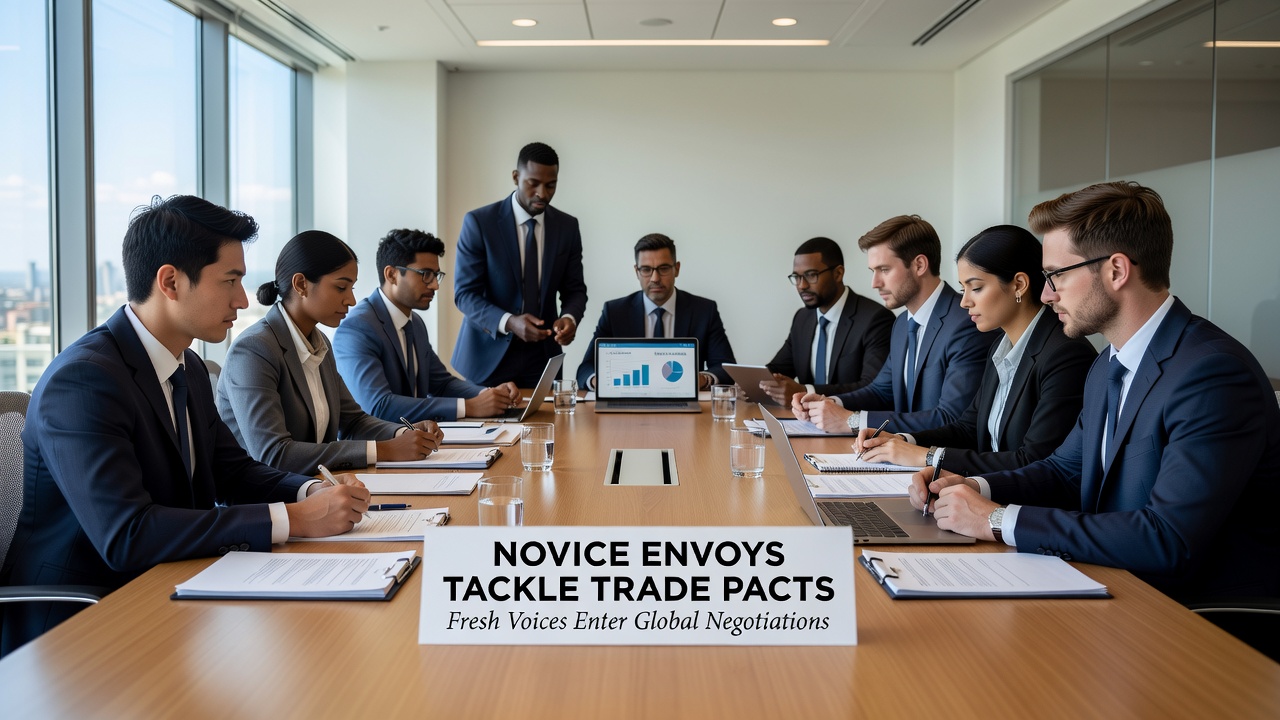
Trade negotiations have drawn in a wave of new representatives during late 2026, and observers note that these participants bring limited prior experience to complex multilateral discussions. Data from the World Trade Organization shows that over 40 percent of delegates at the November 2026 Geneva round held their posts for fewer than 18 months, a shift that coincides with ongoing talks on digital services, agricultural tariffs, and supply chain standards. Those who've tracked these sessions report that preparation timelines have shortened while the number of agenda items has grown, creating conditions where first-time envoys must absorb technical details rapidly.
Recent Shifts in Delegation Composition
Records released by the Office of the United States Trade Representative indicate that eight of the 12-member team assigned to the Indo-Pacific Economic Framework updates joined after the 2024 election cycle. Similar patterns appear in the European Commission trade directorate, where internal staffing reports list 15 new negotiators added since mid-2025. These additions occur alongside established teams from Canada and Australia, whose trade ministries have documented parallel recruitment drives to handle expanded bilateral talks. The result has been larger meeting rooms and more frequent side sessions, according to meeting logs published by the WTO secretariat.
Key Topics on the Table in November 2026
Negotiators focused on three main areas during the Geneva sessions that opened in early November. Digital trade rules covering data localization and cross-border payments formed the first track, while revised rules for fisheries subsidies occupied the second. A third track addressed critical minerals sourcing, an issue that links trade policy with industrial strategies in multiple regions. Figures released by the Australian Department of Foreign Affairs and Trade reveal that proposals on minerals traceability received 27 amendments within the first week, many submitted by teams whose lead members had not attended the prior ministerial meeting in 2025.
Preparation Methods Observed Across Teams
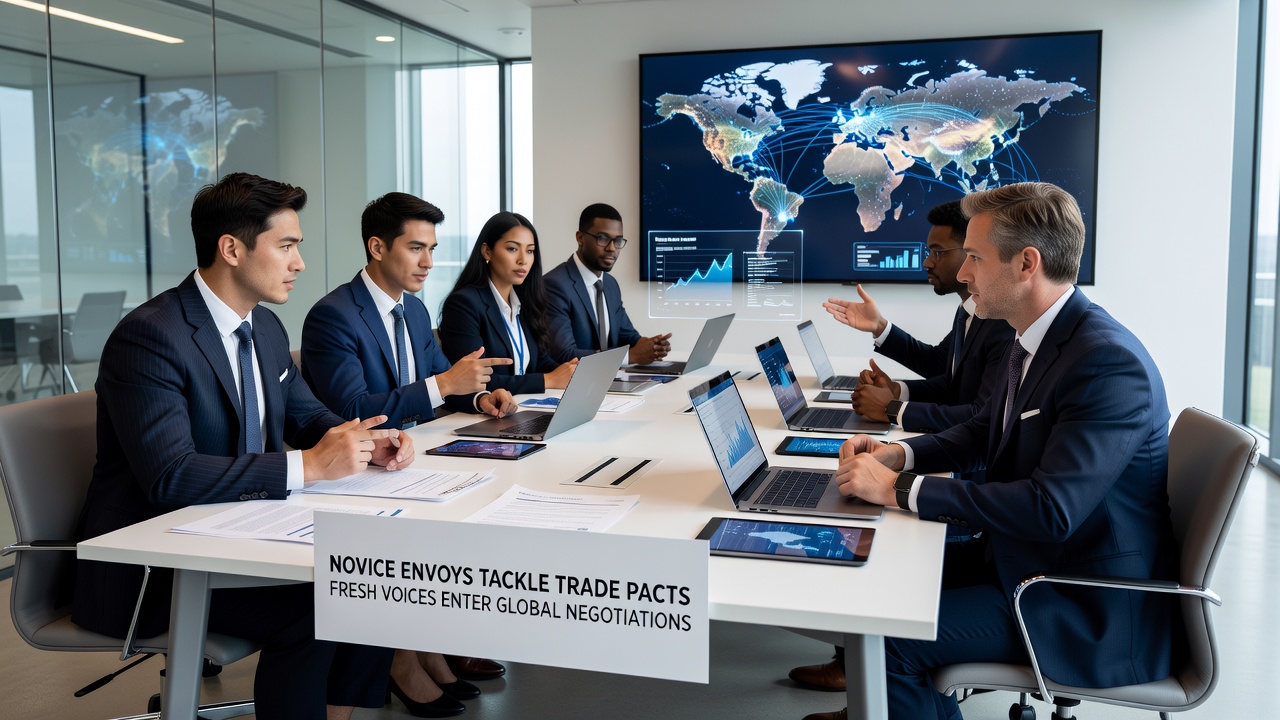
Briefing materials circulated ahead of the November round included simulation exercises and sector-specific primers, practices confirmed in documents from the Canadian Trade Commissioner Service. Several delegations also arranged joint workshops with academic researchers from institutions in Singapore and Brazil, focusing on quantitative modeling of tariff impacts. Those who've reviewed the schedules note that these workshops replaced some traditional one-on-one consultations, allowing newer members to review data sets collectively rather than through individual mentoring. Turnout at these sessions reached 85 percent of registered participants, according to attendance sheets shared by the organizing secretariat.
Coordination Challenges and Adjustments
Language and procedural familiarity remain points of adjustment for incoming envoys. Meeting transcripts from the first three days show repeated requests for clarification on voting sequences and amendment deadlines, a pattern also noted in earlier rounds but occurring at higher frequency this cycle. The WTO secretariat responded by issuing daily summaries in three languages and extending the daily plenary by 30 minutes to accommodate questions. Observers from the International Centre for Trade and Sustainable Development recorded that these extensions helped maintain progress on the fisheries track, where consensus language advanced on two of the four draft paragraphs by the end of week one.
Regional Perspectives on the New Participants
Delegations from Latin American and African member states have described the influx as an opportunity to introduce perspectives on development provisions that had received less attention in prior rounds. Statements issued by the African Union trade unit highlight specific proposals on technology transfer timelines, while Mercosur representatives circulated a joint paper on agricultural safeguard mechanisms. These contributions appear in the official compendium of submissions dated 12 November 2026, alongside inputs from longer-serving teams. The distribution of speaking time across first-time and veteran delegates has remained roughly balanced in the recorded sessions.
Conclusion
By mid-November 2026 the Geneva talks had produced draft texts on two of the three main tracks, with the digital services chapter still under discussion. Updated calendars published by the WTO indicate that follow-up sessions are scheduled for early 2027, giving incoming envoys additional time to review the accumulated records. Participation numbers and submission volumes released in official reports confirm that the composition of delegations continues to evolve, and teh procedural adjustments implemented during the current round remain available for future reference.