Frankie Becker · 26 September 2026
Emerging Reporters Reshape Coverage of Shifting Conflict Landscapes
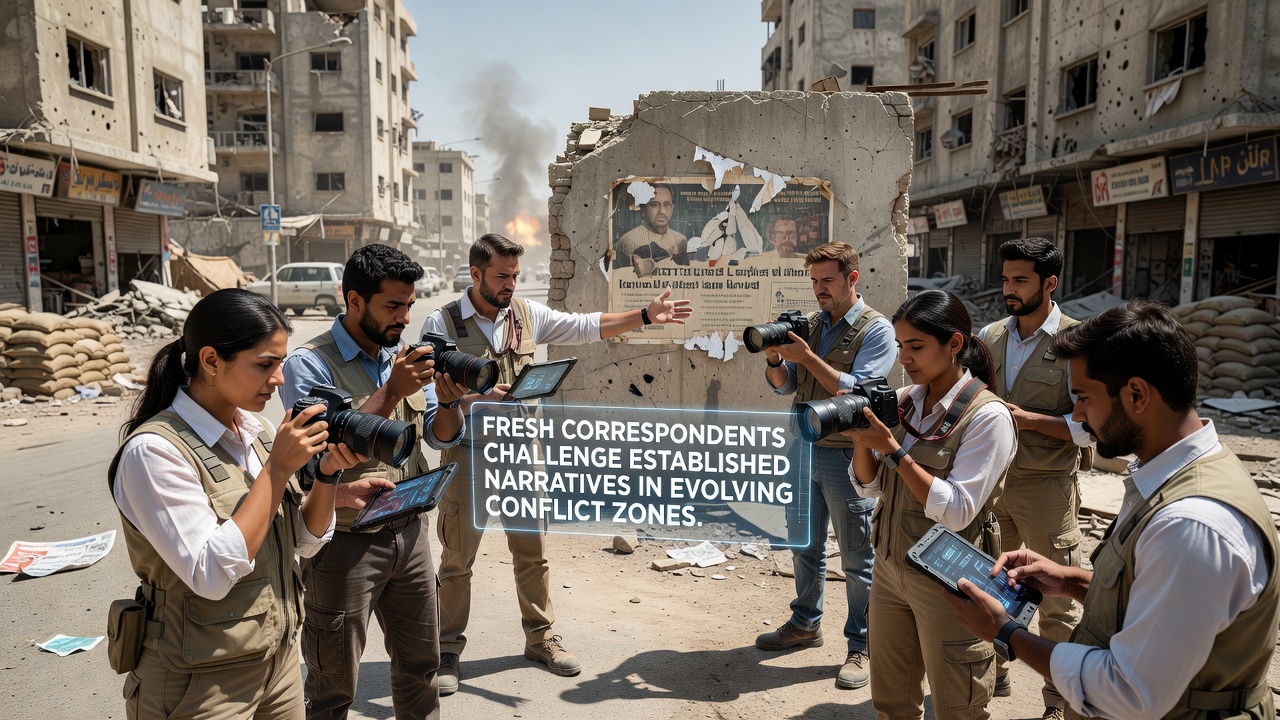
Young journalists with limited prior field experience now enter conflict zones equipped with digital tools that allow direct transmission of raw footage and eyewitness accounts, and these methods often diverge from the structured briefings issued by established media outlets. Research from university programs in media studies shows that reporters under thirty frequently bypass traditional gatekeepers by posting unfiltered updates via encrypted channels and live streams. Observers note that this approach gained momentum after several high-profile incidents in 2025 where veteran correspondents relied on official sources that later required corrections.
Digital Tools Alter Information Flow
Smartphone applications combined with satellite internet connections enable these correspondents to file reports from locations that previously required weeks of logistical planning, while data from the Canadian Centre for International Governance Innovation indicates that real-time verification processes have shortened from days to hours in many cases. Correspondents coordinate with local fixers through messaging platforms that also serve as distribution networks, and this setup reduces dependence on centralized news desks. Studies conducted at Australian universities highlight how such networks distribute content across multiple languages simultaneously, reaching audiences that legacy outlets have historically under-served.
Case Examples from Active Regions
In one documented instance during spring 2026, a team of three recent graduates documented supply route changes in an eastern European theater that contradicted earlier maps released by defense ministries, and their coordinates were later confirmed by independent monitoring groups. Another group operating near contested borders in the Middle East collected oral histories from displaced communities that challenged prevailing casualty estimates published by larger agencies. These reports circulated widely before major organizations incorporated similar details into their own updates.
Verification Practices and Source Diversity
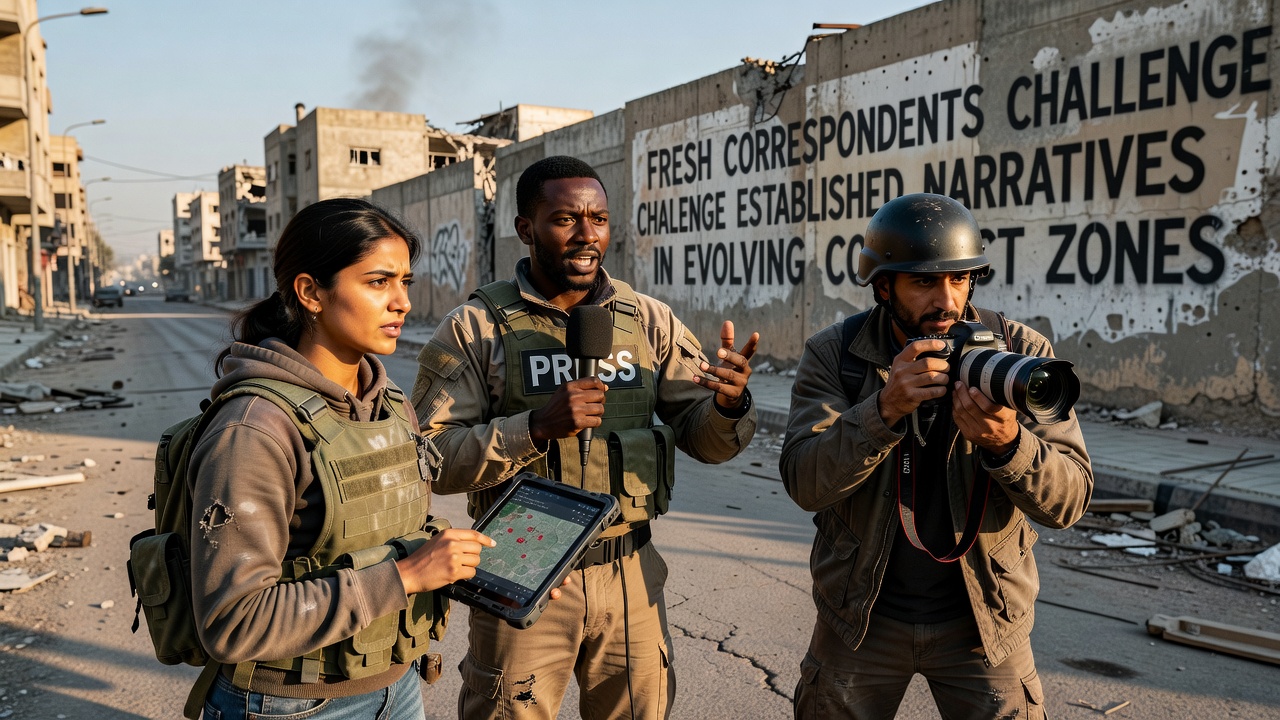
Training programs now emphasize cross-checking social media posts against open-source intelligence databases, and figures from the European Union Agency for Cybersecurity reveal that more than sixty percent of recent conflict-related misinformation cases were first flagged by independent young reporters rather than institutional fact-checkers. Correspondents maintain logs of their sourcing methods that they share publicly, which allows readers to trace how claims evolved over time. This transparency contrasts with older practices where editorial decisions remained internal.
September 2026 saw an increase in collaborative projects between these emerging reporters and academic researchers who supplied geospatial analysis tools, resulting in interactive maps that updated daily. Data collected through these partnerships showed discrepancies in reported troop movements that aligned more closely with commercial satellite imagery than with statements from government spokespeople.
Structural Changes in Newsrooms
Media organizations have responded by creating dedicated mentorship tracks that pair new correspondents with remote editors experienced in digital verification, and records from several European broadcasting networks document a thirty-five percent rise in hires from non-traditional journalism backgrounds over the past eighteen months. Budget allocations have shifted toward equipment grants for lightweight recording kits rather than extended hotel stays, while payment structures now include per-story micro-grants that reward timely submissions. Those who have studied these transitions note that editorial review cycles have compressed without measurable increases in retractions when multiple independent sources confirm the same details.
Conclusion
Patterns emerging from these developments suggest that conflict reporting will continue to incorporate contributions from correspondents who enter the field with fewer years of accumulated institutional experience yet possess stronger technical fluency. Organizations tracking media trends across North America, Europe, and the Asia-Pacific region report steady growth in bylines from this demographic, and the resulting narratives reflect a broader range of on-the-ground perspectives than previous cycles produced.